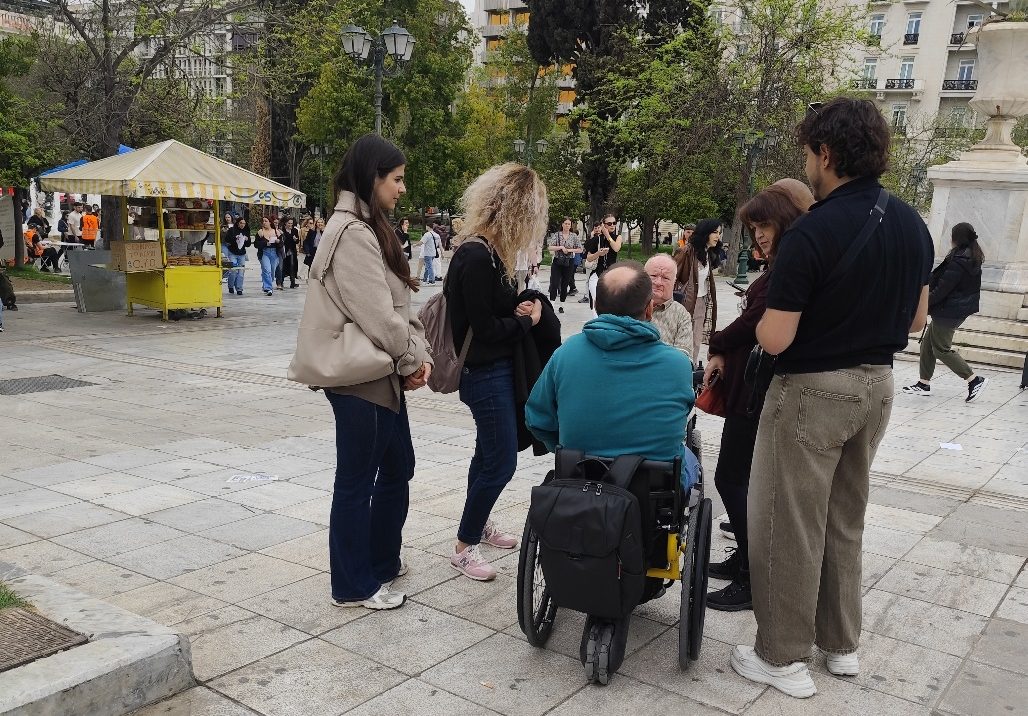
Sustainable urban mobility emerged in Europe 25 years ago as one of the foundations of urban policy. This approach represents the transition from solely focusing on traditional transport modes towards more sustainable and integrated approaches, as well as to the redesign of interventions in urban environments to support it. The main instrument of the policy is a Sustainable Urban Mobility Plan – a SUMP. This key strategic document deals with the challenges in urban and regional urban transport, aiming to offer environmental, economic, and social advantages through sustainable urban mobility. As a core strategic document, the SUMP requires both adjustment to and modernisation of the existing planning practices, as well as a broad consensus about the planning objectives and actions. Hence, the creation of a SUMP has to incorporate participation, integration, and evaluation principles. Citizen participation is especially important in this process due to the consensus on necessary changes in people behaviour and attitudes regarding urban mobility and open public space. More vulnerable residents, such as older people, children, families or persons with disabilities, are especially important in such considerations. Therefore, an essential part of any SUMP and local urban mobility policy is to, inter alia, incorporate the actions of inclusive urban design across open and urban spaces.
This webinar by Dr Branislav Antonić introduces SUMP and then offers selected insights based on examples from diverse cities across Europe. The contribution of this WG5 linked webinar would be to introduce the BOPALiM community to SUMP, so that links and collaboration about inclusive mobility across Europe and beyond can be further explored in the future. This webinar is hosted by our WG4 Leader, Dr Nikolas Thomopoulos, on 7th July 2026 at 13:30 – 14:00 CEST.
Join this webinar by clicking here.
Dr Branislav Antonić is a Teaching Assistant at the Faculty of Architecture of the University of Belgrade in Serbia. His scientific and professional interests are urbanism and territorial planning, with a focus on medium-sized and small cities, housing, and open public space. He is active in international and national research projects, being the author of more than 100 scientific outputs: article journals, monograph chapters, conference papers, and reports. As the coordinator or member of working teams, he has also been involved in the creation of 40 urban plans, urban strategic documents, urban feasibility studies, urban design projects and spatial plans, including SUMP.