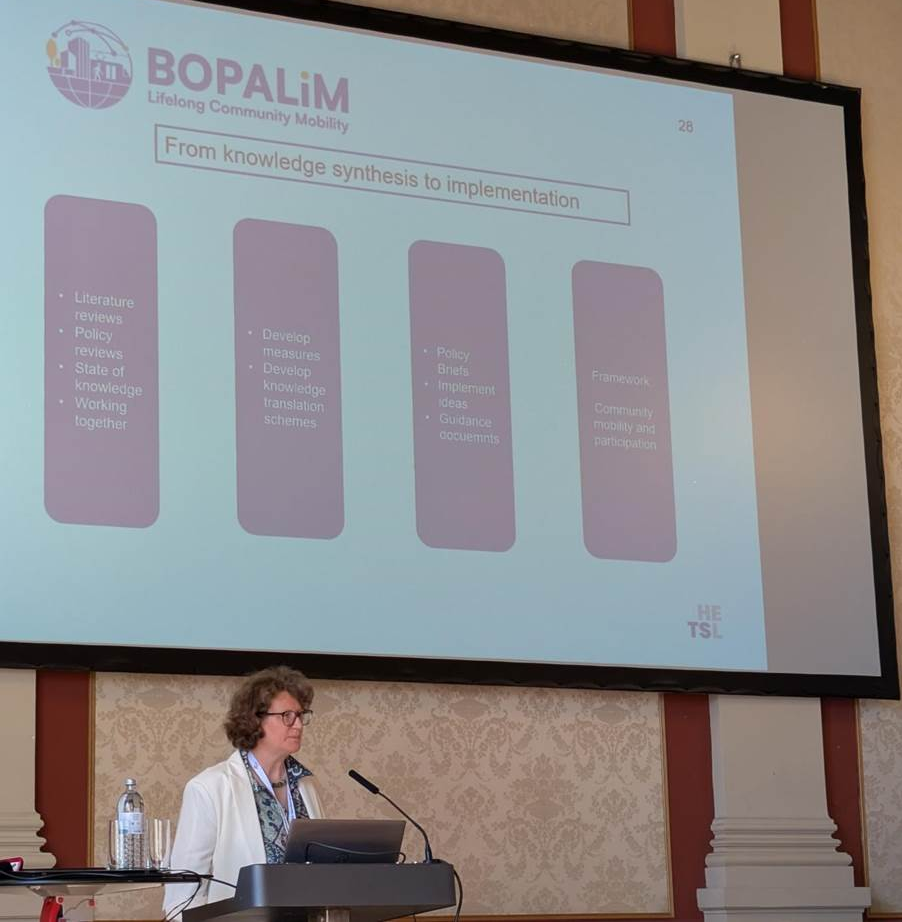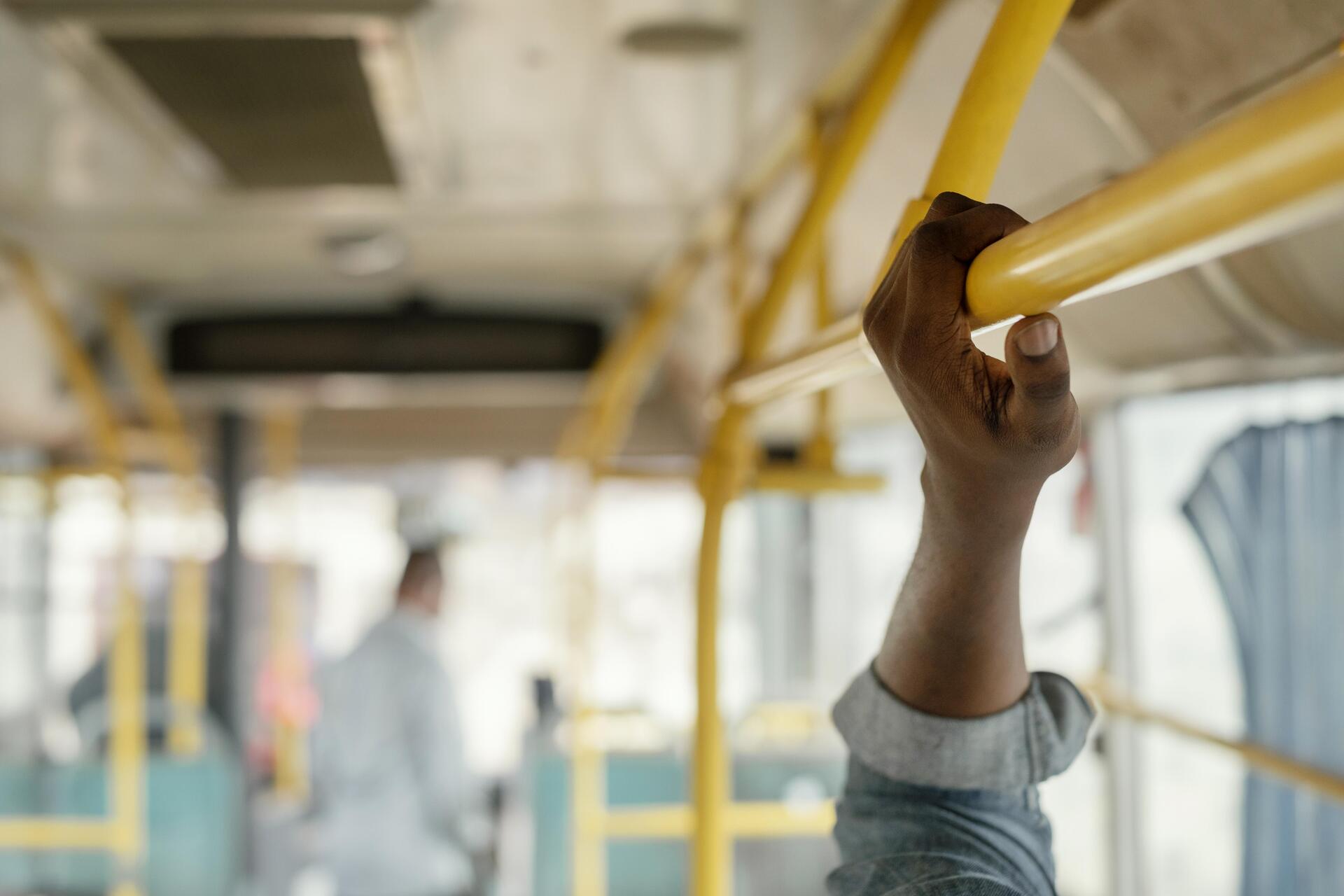
International collaborations like BOPALiM, that aim to improve driving and community mobility for people with disabilities including older people, seek solutions for a global audience. These solutions do not always translate to African contexts, where community mobility may look quite different.
When researchers from Africa talk about Matatu’s, Dala-dala’s, Coasters, Danfo, Car rapide, Combi’s, Sitimela’s, mini-bus taxis, MyCiti and Esprit de mort, they reflect the rich and diverse use of rickshaws, tuk-tuks, motorbikes, people carriers, small busses and trains that represent a rich tapestry of forms of driving and community mobility. Each of these modes of transport has different physical and sociocultural characteristics, that shape the ways in which driving and community mobility are performed and experienced. Nevertheless, the underlying meaning and purpose of driving and community mobility – to reach valued out-of-home places, to earn a living, to contribute to society – is shared globally.
The contribution of this WG3 linked webinar would be to broaden the way that BOPALiM members think about driving and community mobility, so that the solutions proposed for people with disabilities and older people have impact – even in the places where participation looks different. This webinar is hosted by our WG4 Leader, Dr Nikolas Thomopoulos, on 28th May 2026 at 13:00 – 13:30 CEST.
Join this webinar by clicking here.
Dr Nicola Plastow is an Associate Professor in the Division of Occupational Therapy at Stellenbosch University in South Africa. Her teaching, research and clinical practice aim to support people with disabilities and older people, especially in marginalised and vulnerable communities, to participate in the everyday activities that are important to them, and promote their health and wellbeing. As a Special Observer and WG3/WG4 member of BOPALiM, she aims to bring her experience of working in global contexts to the conversation.